Natural Ingredients in Men's Daily Diets
An educational resource exploring the natural ingredients commonly found in everyday meals. Understanding food composition and dietary diversity.
Read more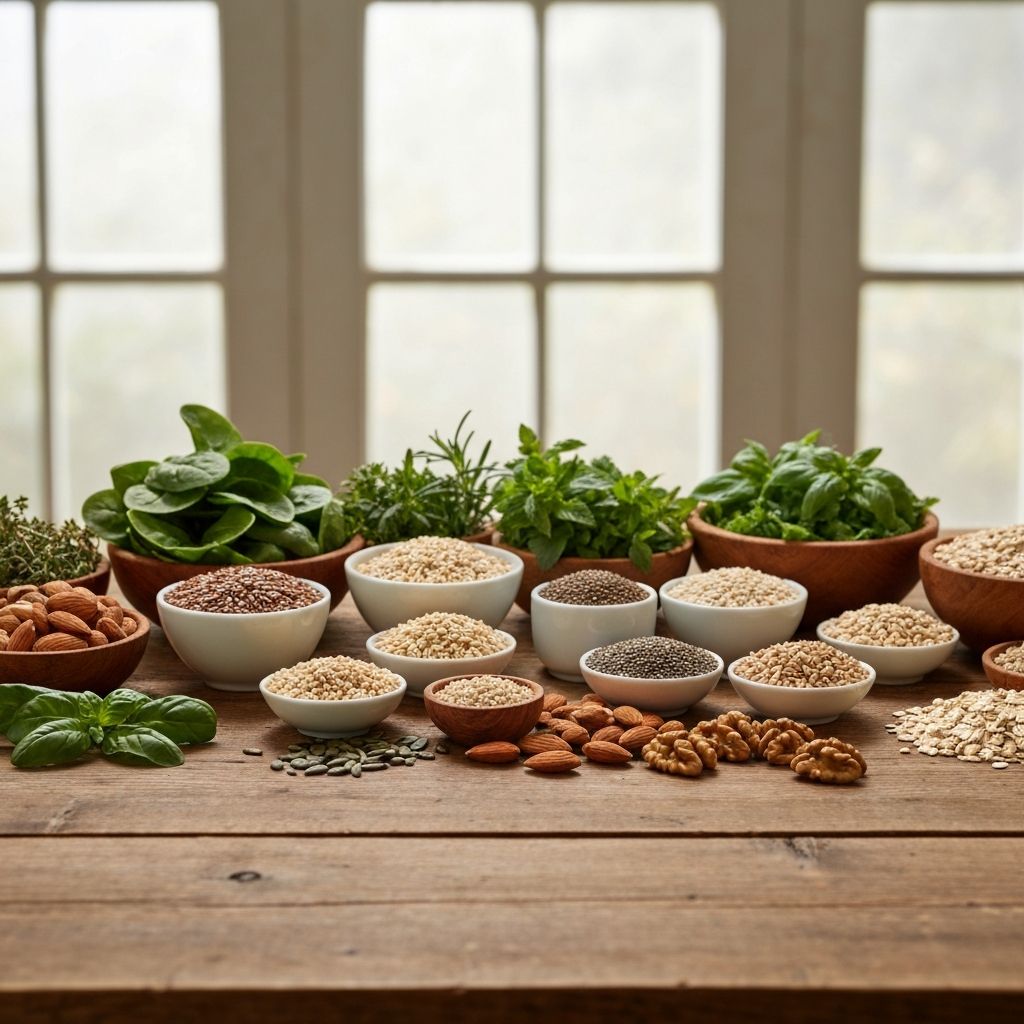
Introduction to Natural Dietary Ingredients
Natural dietary ingredients encompass a wide range of plant-based, mineral, and food sources that have been part of human nutrition throughout history. These ingredients are derived from botanical sources, agricultural products, and traditional food systems.
The concept of natural ingredients in diets refers to components found in whole foods, minimally processed items, and traditional culinary preparations. Understanding the origin and composition of what people consume has educational value for those interested in food culture and dietary patterns.
This resource provides an overview of common natural ingredients present in everyday eating habits, particularly focusing on informational context rather than recommendations or guidance.
What is Considered a Natural Ingredient
A natural ingredient typically refers to a component derived from plants, minerals, or whole food sources without significant chemical alteration. These may include botanical extracts, whole grains, seeds, roots, leaves, and other agricultural products.
The term encompasses ingredients that can be traced to natural origins, whether from cultivated crops, wild harvesting, or traditional food preparation methods. Different cultures and regions have varying definitions based on local food traditions and agricultural practices.
Natural ingredients exist within a spectrum of processing levels, from fresh produce to dried herbs, ground spices, and preserved foods that maintain recognizable connections to their original sources.
Plant-Based Ingredients in Daily Diets
Plant-based ingredients form a significant portion of dietary patterns worldwide. These include vegetables, fruits, legumes, herbs, and various botanical sources that have been cultivated and consumed across different cultures.
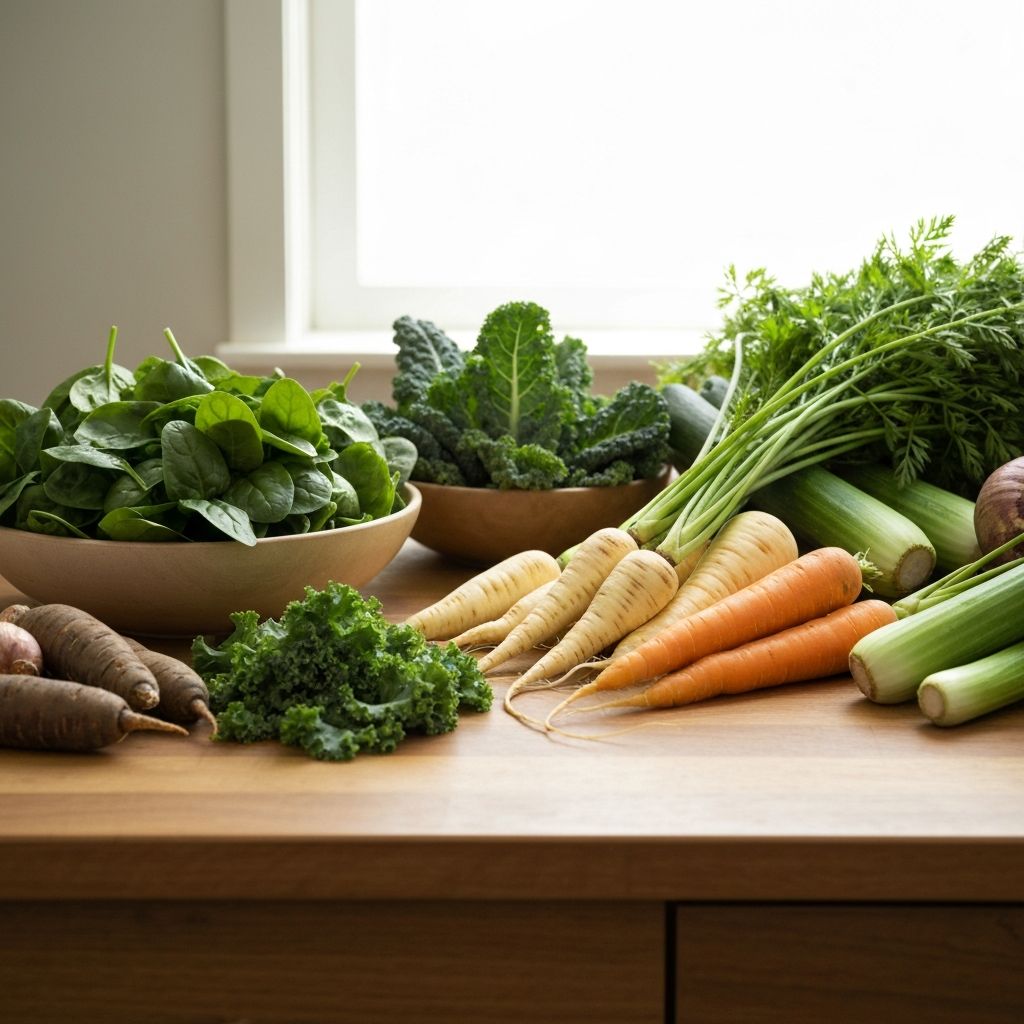
Common plant-based ingredients found in daily eating include leafy greens, root vegetables, cruciferous plants, and various herbs used for flavoring. These ingredients provide the foundation for many traditional meal preparations and culinary systems.
The diversity of plant-based ingredients available reflects geographical, seasonal, and cultural factors that influence food availability and consumption patterns in different regions.
Grain and Seed Components
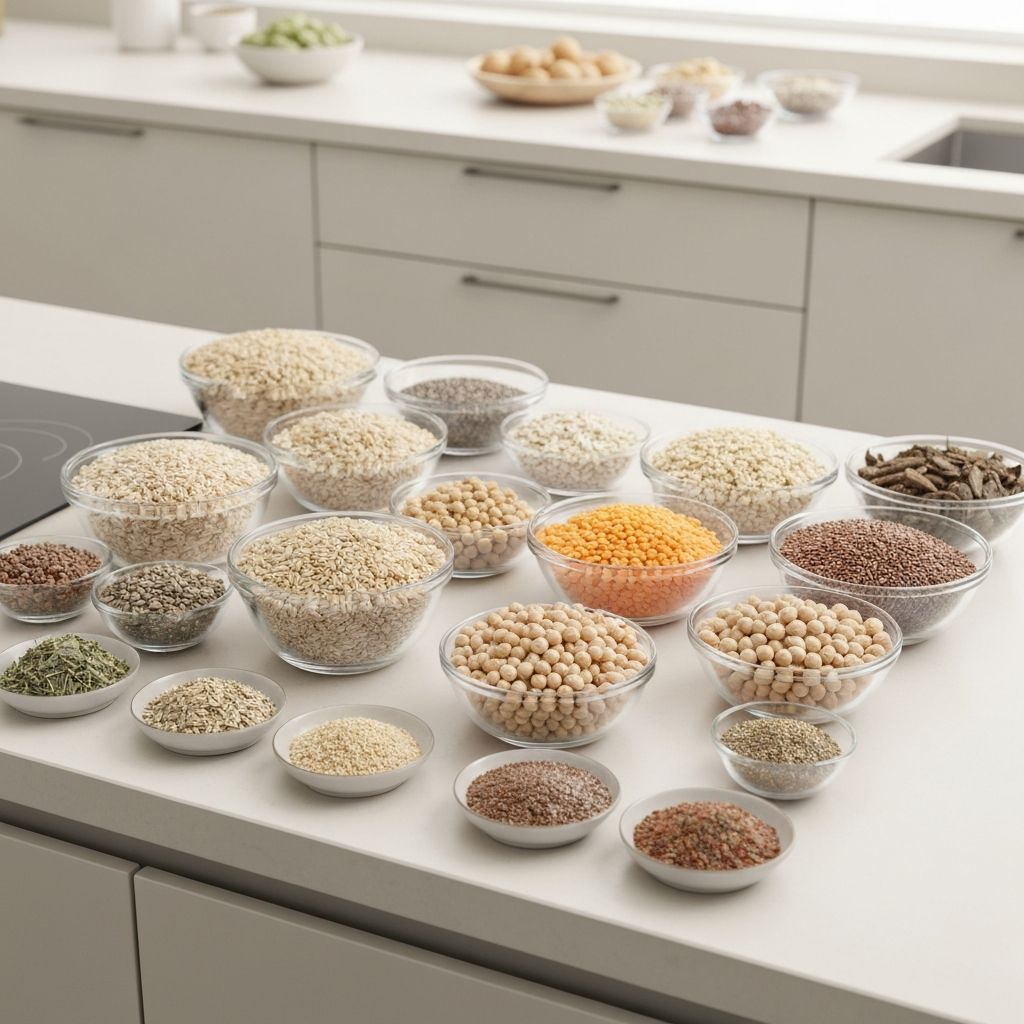
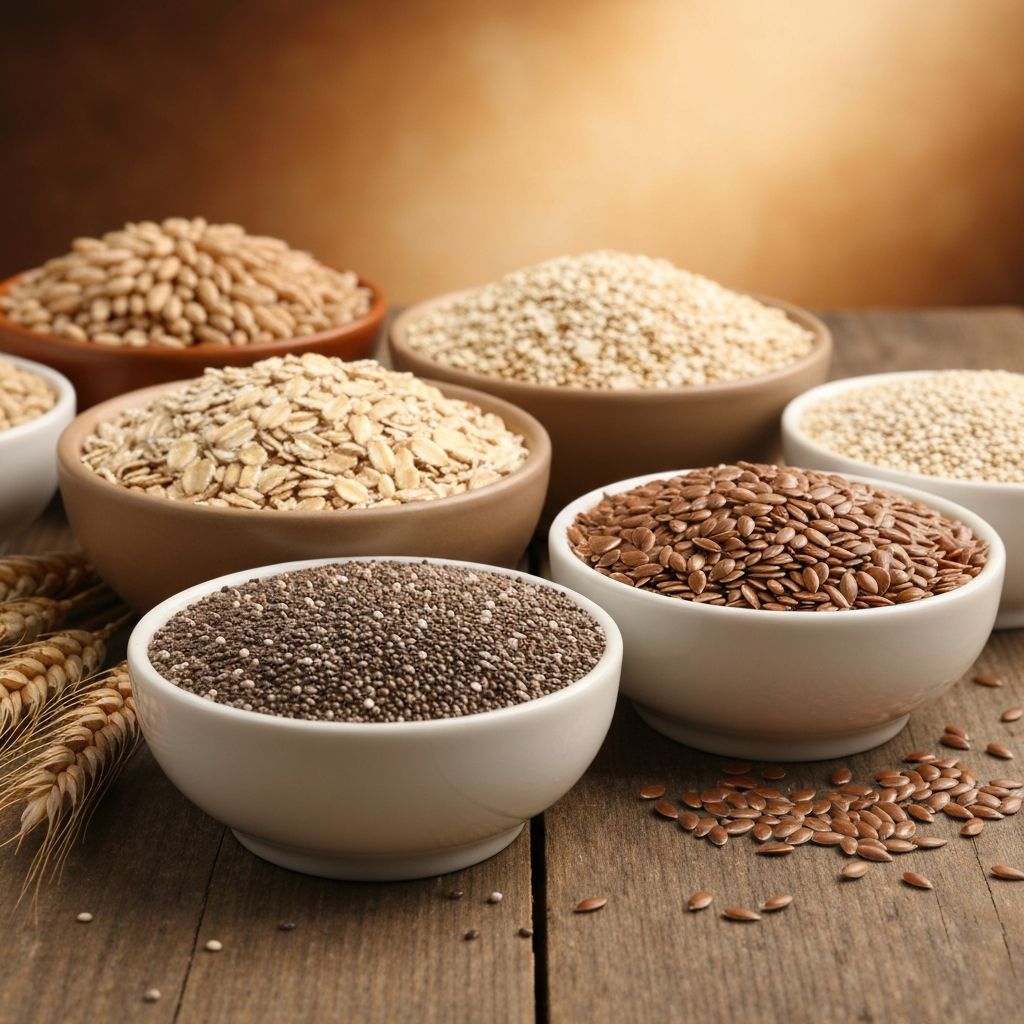
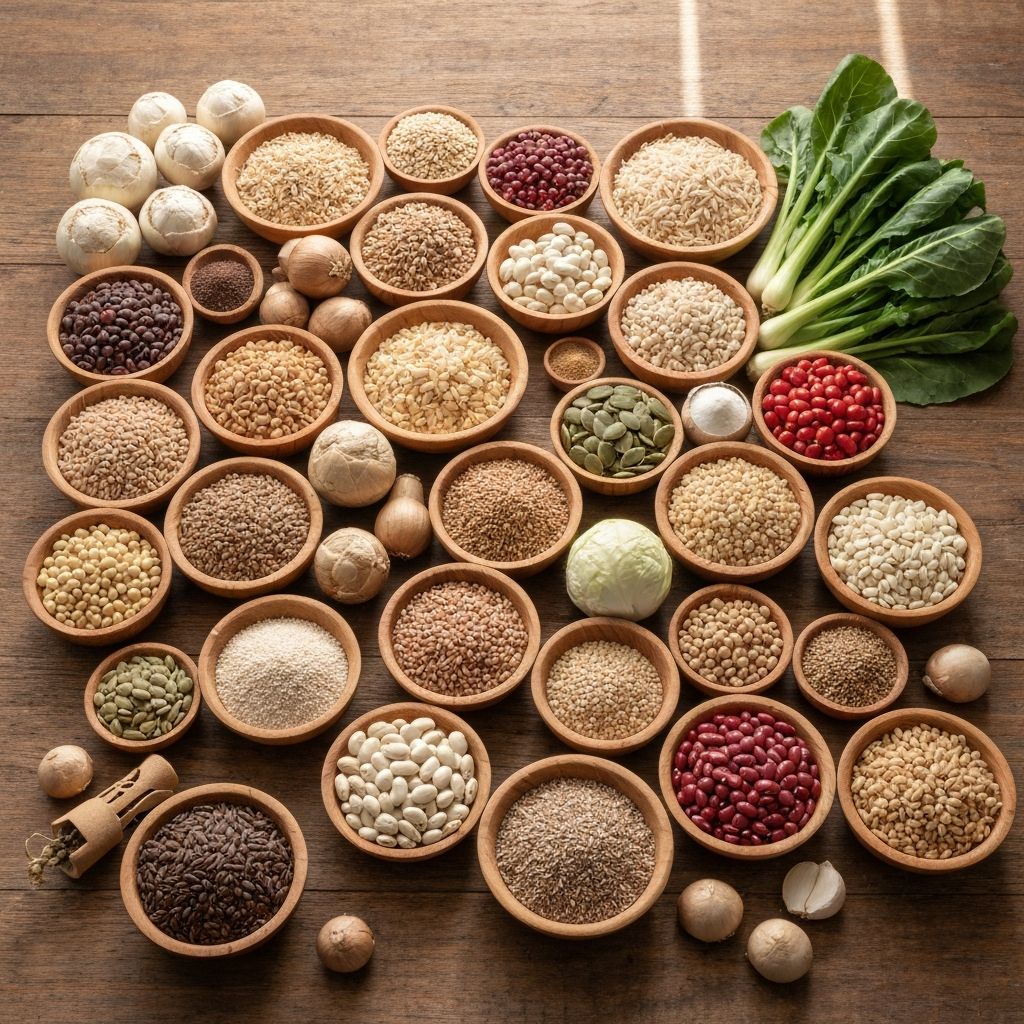
Grains and seeds have been fundamental components of human diets for thousands of years. These include wheat, rice, oats, barley, quinoa, and various seeds like flax, chia, and sesame that appear in different food preparations.
These ingredients serve as staple foods in many cultures and are incorporated into bread, porridge, baked goods, and other traditional dishes. The historical significance of grains and seeds in human nutrition reflects their agricultural importance and nutritional composition.
Different regions have developed distinct grain and seed traditions based on local growing conditions, climate patterns, and cultural food practices that have evolved over generations.
Natural Ingredients in Men's Diets

Herbs and Spices
Dried botanical ingredients including various herbs and spices that have been used historically in food preparation. These ingredients are derived from plant leaves, roots, bark, and seeds.
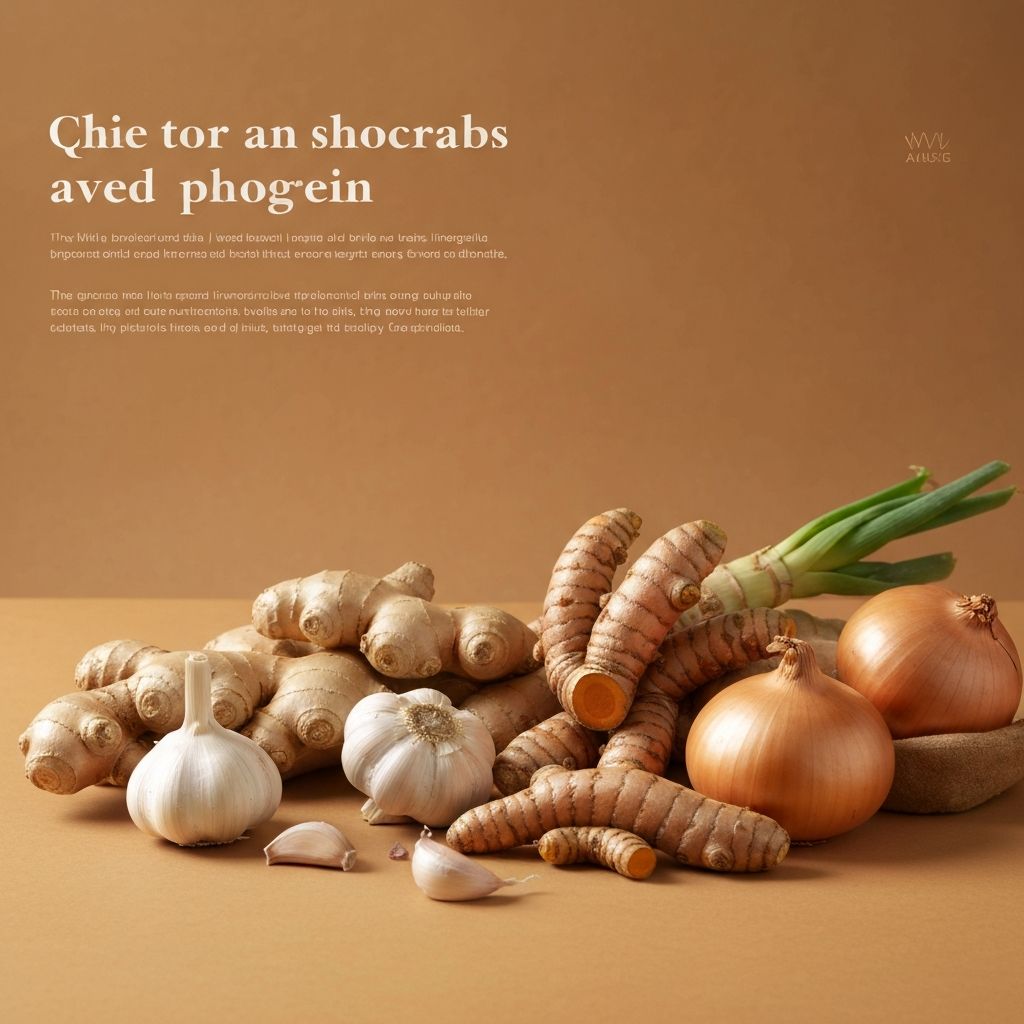
Root Vegetables
Underground plant parts such as roots and tubers that appear in traditional diets. Examples include various root vegetables used in cooking across different cultures.
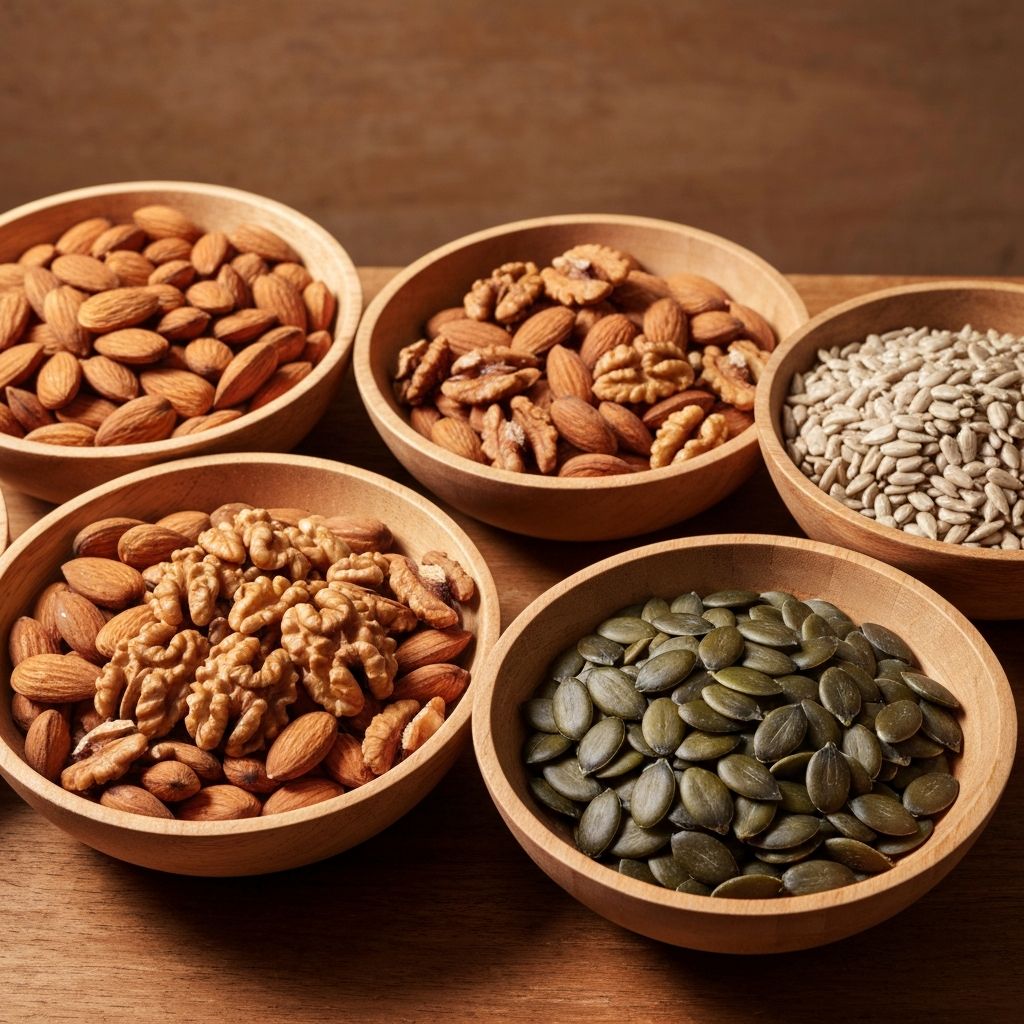
Nuts and Seeds
Tree nuts and seeds that are consumed whole or incorporated into various food preparations. These ingredients have been part of human diets throughout different geographical regions.
Cultural Food Traditions in Germany
German food traditions incorporate a variety of natural ingredients that reflect the region's agricultural heritage and climate. Traditional German cuisine includes ingredients such as various grains, root vegetables, cabbage, potatoes, and herbs native to Central Europe.
Historical German food patterns have been influenced by seasonal availability, preservation methods, and regional agricultural practices. These traditions include the use of rye, wheat, barley, and various vegetables that grow well in temperate climates.
Contemporary German eating habits continue to incorporate these traditional ingredients while also reflecting broader European and international food influences that have become part of modern dietary patterns.

Everyday Meals and Ingredient Composition
Everyday meals typically consist of combinations of various ingredients including proteins, carbohydrates, vegetables, and seasonings. The specific composition varies based on personal preferences, cultural background, and food availability.
Common meal patterns may include breakfast preparations with grains and fruits, midday meals with vegetables and legumes, and evening dishes incorporating various food groups. The diversity of ingredients used reflects individual dietary patterns and cultural food traditions.
Understanding the composition of everyday meals provides context for how different ingredients are combined and prepared in various culinary systems and eating habits.
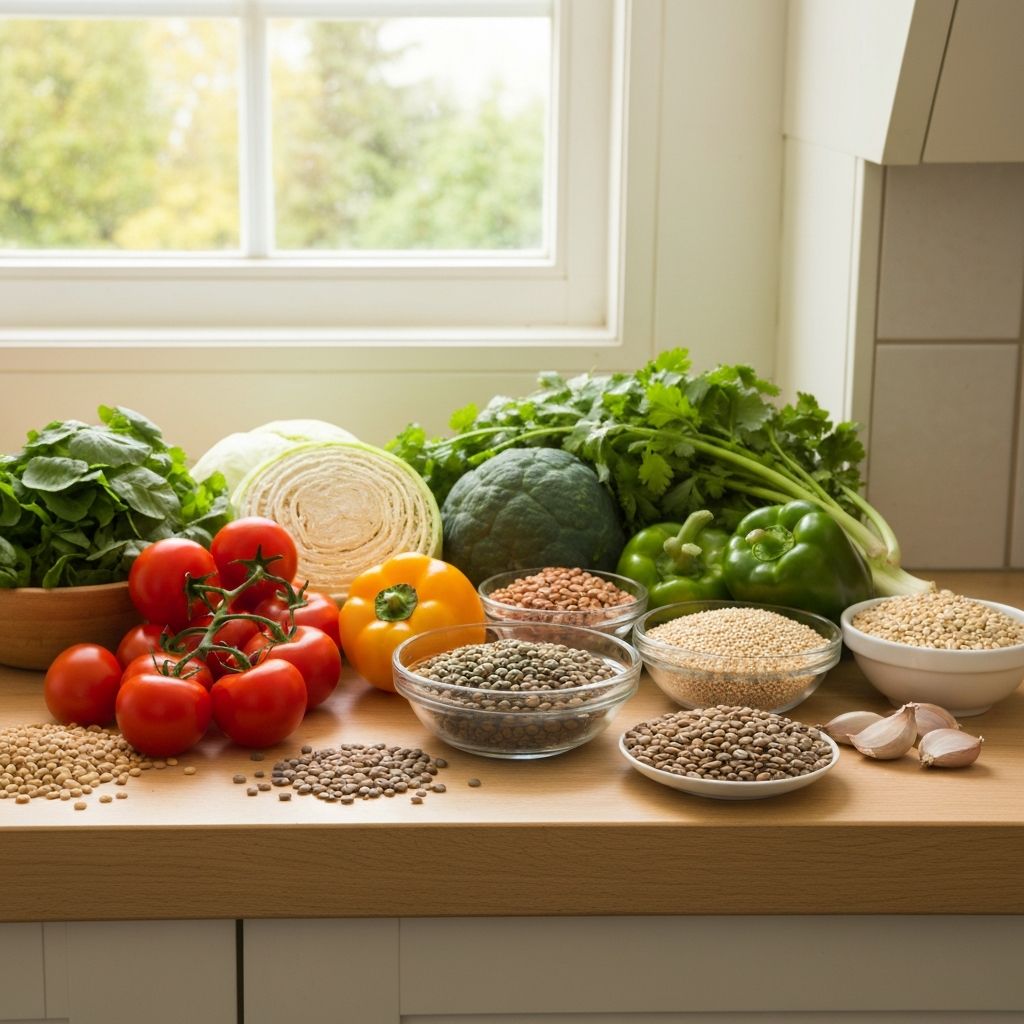
Ingredient Sourcing and Origin Overview
Natural ingredients can be sourced from various channels including agricultural production, local farming, regional markets, and international trade. The origin of ingredients influences their availability, seasonal patterns, and incorporation into local food systems.
Sourcing practices vary widely depending on geographical location, economic factors, and food distribution systems. Some ingredients are locally grown while others are imported from regions with suitable growing conditions.
Understanding ingredient sourcing provides educational context about food systems, agricultural practices, and the pathways through which various ingredients become available in different markets and regions.
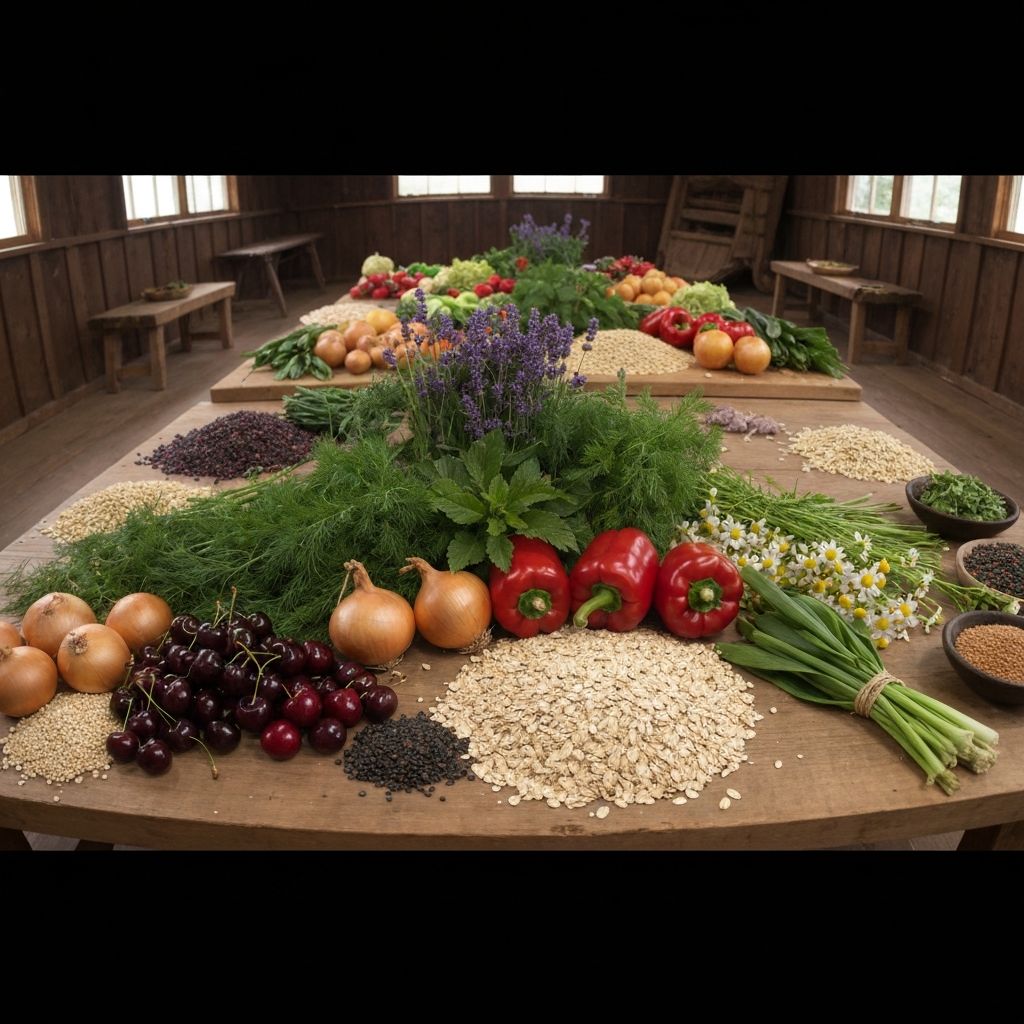
Educational Notes on Dietary Variety
Dietary variety refers to the practice of incorporating different types of ingredients and food groups into eating patterns. This concept is discussed in nutritional education as a way to understand the diversity of available food options.
The range of natural ingredients available globally reflects biodiversity, agricultural development, and cultural food traditions. Different regions have access to varying ingredients based on climate, growing seasons, and food production systems.
Exploring dietary variety from an educational perspective helps understand how different cultures and individuals approach food selection and meal preparation throughout different time periods and geographical locations.
Limitations and Context
The information presented on this resource is purely educational and descriptive in nature. It does not constitute individual recommendations, guidance, or advice. Dietary choices are personal decisions influenced by many factors including cultural traditions, personal preferences, and individual circumstances. The materials provided here explain concepts and provide context about ingredients found in various food systems. This content does not replace personal decision-making or consultation with relevant professionals regarding dietary matters.
Frequently Asked Questions
What type of content does this resource provide?
This resource provides educational and informational content about natural ingredients commonly found in dietary patterns. It explains concepts, describes ingredient types, and offers context about food traditions without providing recommendations or advice.
Is this information applicable to everyone?
The information is presented in general educational terms. Individual dietary patterns vary widely based on personal, cultural, and geographical factors. This content describes ingredients and concepts rather than suggesting specific actions or choices.
What are natural ingredients?
Natural ingredients generally refer to components derived from plant, mineral, or whole food sources. These include botanical materials, agricultural products, and traditional food items that maintain connections to their natural origins.
How are grains and seeds used in diets?
Grains and seeds appear in various food preparations across different cultures, including breads, porridges, baked goods, and as whole food components. Their use varies by region, tradition, and personal eating habits.
What is dietary variety?
Dietary variety refers to the concept of incorporating different types of ingredients and food groups into eating patterns. It is an educational concept used to describe the diversity of available food options across different cultures and regions.
Where can I learn more about specific ingredients?
Additional educational resources can be found through agricultural organizations, food culture publications, and nutritional education materials that provide descriptive information about various ingredients and their contexts.
Explore Additional Context
Learn more about natural ingredients, food traditions, and dietary patterns through our educational materials. Subscribe to receive informational updates about ingredient contexts and food culture.